
Staff Perspective: Neurodiversity and Moral Injury - A Reflection on Meaning and Service
Over the years, working with service members, veterans, and their families, I’ve learned that some forms of distress can feel confusing and overwhelming until someone finally gives them a name. For many people, moral injury is one of those experiences.
Many trauma reactions are rooted in fear and survival. Moral injury is different. It occurs when what we have seen, done, or been unable to prevent conflicts with our deeply held values—our sense of what is right and who we believe ourselves to be.
As a neurodiversity-affirming therapist, I’ve also noticed that when we talk about moral injury, we often miss an important piece of the picture: neurodiversity.
Neurodiversity refers to the natural variation in how human minds think, process, and make sense of experience. It includes ADHD, autism, specific learning differences such as dyslexia and dyscalculia, as well as motor and communication differences. In simple terms, it recognizes that people think, learn, and experience the world in different ways.
For some people, those differences can shape how moral wounds are experienced.
What Research Says About Moral Injury
The Center for Deployment Psychology has highlighted that moral injury and moral distress are still evolving concepts and are not yet defined in exactly the same way across research and clinical settings.
A recent CDP Staff Perspective explains that moral injury often occurs when someone is exposed to events that violate deeply held moral beliefs or values. This may happen through:
- their own actions
- the actions of others
- or perceived betrayal by leaders, institutions, or systems in high-pressure situations
Researchers are also developing ways to better measure moral injury. Tools such as the Moral Injury Outcomes Scale (MIOS) and the Moral Injury and Distress Scale (MIDS) help clinicians understand both exposure to potentially morally injurious events and the impact those experiences can have on a person’s functioning. Having clearer language helps describe experiences that many people have felt for years but struggled to explain.
Readers interested in learning more can explore additional CDP research, staff perspectives, and clinical resources on moral injury through the Center for Deployment Psychology’s publications.
Why Neurodiversity Matters
Neurodiversity can influence how people perceive, interpret, and emotionally process events. For some neurodivergent individuals, certain aspects of moral injury may feel especially significant.
Pattern awareness: Some people naturally notice patterns, details, and inconsistencies. This can make unresolved moral conflicts harder to ignore.
Values tied to identity: For some individuals, values are deeply connected to identity. When those values are violated, the impact may feel deeply personal.
Sensitivity to betrayal: Many definitions of moral injury involve betrayal by leaders, institutions, or trusted peers. People who strongly value rules, structure, or fairness may feel betrayal more intensely.
Meaning-focused thinking: Instead of avoiding the issue, everyday events may repeatedly bring someone back to the moral meaning of what happened.
In other words, neurodiversity does not necessarily make someone more vulnerable. It may simply mean that someone processes moral meaning more deeply or differently. That depth can be a strength. But without the right support, it can also make resolution more difficult.
A Personal Reflection
I’ve sat with people in therapy rooms and support groups who describe moral injury not as fear, but as a break in how they see themselves. It can feel like something important inside them changed in a way they cannot easily make sense of. For some people, this shows up as shame or remorse. For others, it feels like a painful conflict between what they believe is right and what they have witnessed, done, or been unable to prevent.
In many trauma models, the goal is to help someone return to a sense of safety. With moral injury, the goal can be different. It may involve helping someone build a new understanding of their story, where meaning can exist alongside what happened. Not erasing the experience—but making room for it. Recognizing this difference can help validate experiences that might otherwise feel chaotic, unresolved, or misunderstood.
Where Neurodiversity and Moral Injury Intersect
This intersection does not mean all neurodivergent people experience moral injury differently. But it does suggest that:
- Some people may need more space to talk through moral events in detail.
- Some may feel more impacted by conflicts between values and actions.
- Some may feel a strong drive to make meaning of what happened rather than avoid it.
These responses are not weaknesses. They are simply different ways of processing experience. Understanding this can help us distinguish between exposure to morally challenging events and the lasting psychological effects that may follow.
Final Thoughts
Moral injury is not about dysfunction. It is about meaning. And for people whose minds naturally search for meaning deeply and carefully, the hidden weight of moral injury may not always be fear. Sometimes it is the persistent pull of unresolved questions about values, responsibility, and identity. Recognizing neurodiversity as a lens rather than a problem can deepen our understanding of moral injury and broaden the ways we talk about it—in therapy, research, and public conversation.
Learning More from the CDP
Readers who want to explore this topic further can find a growing body of work through the Center for Deployment Psychology. CDP has published staff perspectives and research summaries that help clarify how clinicians and researchers understand moral injury. Readers can explore CDP’s ongoing articles, research updates, and clinician resources by clicking here.
The opinions in CDP Staff Perspective blogs are solely those of the author and do not necessarily reflect the opinion of the Uniformed Services University of the Health Science or the Department of Defense.
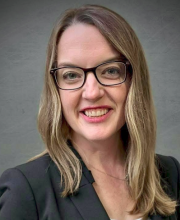
Shealyn Clinger, MA, MSW, LCSW, is a licensed clinical social worker and senior behavioral health leader with more than 15 years of experience advancing evidence-based wellness, prevention, and health promotion initiatives across federal, military, clinical, and community settings


Over the years, working with service members, veterans, and their families, I’ve learned that some forms of distress can feel confusing and overwhelming until someone finally gives them a name. For many people, moral injury is one of those experiences.
Many trauma reactions are rooted in fear and survival. Moral injury is different. It occurs when what we have seen, done, or been unable to prevent conflicts with our deeply held values—our sense of what is right and who we believe ourselves to be.
As a neurodiversity-affirming therapist, I’ve also noticed that when we talk about moral injury, we often miss an important piece of the picture: neurodiversity.
Neurodiversity refers to the natural variation in how human minds think, process, and make sense of experience. It includes ADHD, autism, specific learning differences such as dyslexia and dyscalculia, as well as motor and communication differences. In simple terms, it recognizes that people think, learn, and experience the world in different ways.
For some people, those differences can shape how moral wounds are experienced.
What Research Says About Moral Injury
The Center for Deployment Psychology has highlighted that moral injury and moral distress are still evolving concepts and are not yet defined in exactly the same way across research and clinical settings.
A recent CDP Staff Perspective explains that moral injury often occurs when someone is exposed to events that violate deeply held moral beliefs or values. This may happen through:
- their own actions
- the actions of others
- or perceived betrayal by leaders, institutions, or systems in high-pressure situations
Researchers are also developing ways to better measure moral injury. Tools such as the Moral Injury Outcomes Scale (MIOS) and the Moral Injury and Distress Scale (MIDS) help clinicians understand both exposure to potentially morally injurious events and the impact those experiences can have on a person’s functioning. Having clearer language helps describe experiences that many people have felt for years but struggled to explain.
Readers interested in learning more can explore additional CDP research, staff perspectives, and clinical resources on moral injury through the Center for Deployment Psychology’s publications.
Why Neurodiversity Matters
Neurodiversity can influence how people perceive, interpret, and emotionally process events. For some neurodivergent individuals, certain aspects of moral injury may feel especially significant.
Pattern awareness: Some people naturally notice patterns, details, and inconsistencies. This can make unresolved moral conflicts harder to ignore.
Values tied to identity: For some individuals, values are deeply connected to identity. When those values are violated, the impact may feel deeply personal.
Sensitivity to betrayal: Many definitions of moral injury involve betrayal by leaders, institutions, or trusted peers. People who strongly value rules, structure, or fairness may feel betrayal more intensely.
Meaning-focused thinking: Instead of avoiding the issue, everyday events may repeatedly bring someone back to the moral meaning of what happened.
In other words, neurodiversity does not necessarily make someone more vulnerable. It may simply mean that someone processes moral meaning more deeply or differently. That depth can be a strength. But without the right support, it can also make resolution more difficult.
A Personal Reflection
I’ve sat with people in therapy rooms and support groups who describe moral injury not as fear, but as a break in how they see themselves. It can feel like something important inside them changed in a way they cannot easily make sense of. For some people, this shows up as shame or remorse. For others, it feels like a painful conflict between what they believe is right and what they have witnessed, done, or been unable to prevent.
In many trauma models, the goal is to help someone return to a sense of safety. With moral injury, the goal can be different. It may involve helping someone build a new understanding of their story, where meaning can exist alongside what happened. Not erasing the experience—but making room for it. Recognizing this difference can help validate experiences that might otherwise feel chaotic, unresolved, or misunderstood.
Where Neurodiversity and Moral Injury Intersect
This intersection does not mean all neurodivergent people experience moral injury differently. But it does suggest that:
- Some people may need more space to talk through moral events in detail.
- Some may feel more impacted by conflicts between values and actions.
- Some may feel a strong drive to make meaning of what happened rather than avoid it.
These responses are not weaknesses. They are simply different ways of processing experience. Understanding this can help us distinguish between exposure to morally challenging events and the lasting psychological effects that may follow.
Final Thoughts
Moral injury is not about dysfunction. It is about meaning. And for people whose minds naturally search for meaning deeply and carefully, the hidden weight of moral injury may not always be fear. Sometimes it is the persistent pull of unresolved questions about values, responsibility, and identity. Recognizing neurodiversity as a lens rather than a problem can deepen our understanding of moral injury and broaden the ways we talk about it—in therapy, research, and public conversation.
Learning More from the CDP
Readers who want to explore this topic further can find a growing body of work through the Center for Deployment Psychology. CDP has published staff perspectives and research summaries that help clarify how clinicians and researchers understand moral injury. Readers can explore CDP’s ongoing articles, research updates, and clinician resources by clicking here.
The opinions in CDP Staff Perspective blogs are solely those of the author and do not necessarily reflect the opinion of the Uniformed Services University of the Health Science or the Department of Defense.
Shealyn Clinger, MA, MSW, LCSW, is a licensed clinical social worker and senior behavioral health leader with more than 15 years of experience advancing evidence-based wellness, prevention, and health promotion initiatives across federal, military, clinical, and community settings